A new study by researchers from Linnaeus University and collaborators explores the relationships between tree age, latitude, and biomass growth in Sweden's forests. The findings reveal significant variations in annual biomass increment across species, ages, and latitudes, offering fresh perspectives on forestry management, biodiversity conservation, and climate change mitigation.
Key Findings:
- Trees continue to accumulate biomass at increasing rates with age, even at high latitudes.
- Deciduous species, such as oaks and beeches, show higher age-specific growth rates compared to evergreen species like spruces and pines.
- Biomass increment in spruce and beech has increased over time, potentially due to warming climates and extended growing seasons.
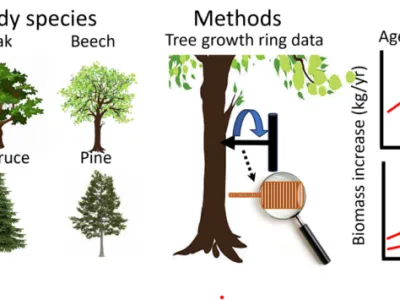
The study utilized dendrochronological methods to analyze over 26,000 tree-ring samples, spanning four species across a latitude range of more than 10°. These findings highlight the resilience and ecological significance of old-growth trees and their essential role in carbon sequestration and biodiversity support.
Implications for conservation and forestry:
This research underscores the importance of preserving old-growth forests to maintain their ecological and carbon storage functions. As climate change reshapes forest dynamics, such insights are crucial for developing adaptive strategies in forestry management and conservation planning.