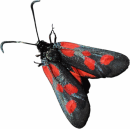
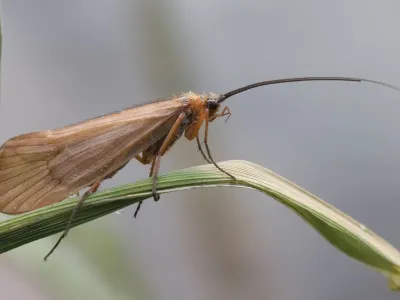
This fresh published study explores how light traps perform under the extreme daylight conditions north of the Arctic Circle. Over seven years (1970–1976), more than 65,000 caddisflies (Trichoptera) were caught in light traps around Abisko in northern Sweden. Remarkably, the species Apatania stigmatella dominated the catch, making up over 90% of all individuals – especially in open, dry birch forest.
Despite the challenges of the bright Arctic summer nights, the study shows that light traps can still be effective, particularly later in the season when nights are darker. The results also reveal that different habitats and light sources strongly influenced which species were caught.
The findings are a valuable contribution to insect monitoring in northern environments – especially as we face accelerating changes in climate and biodiversity.