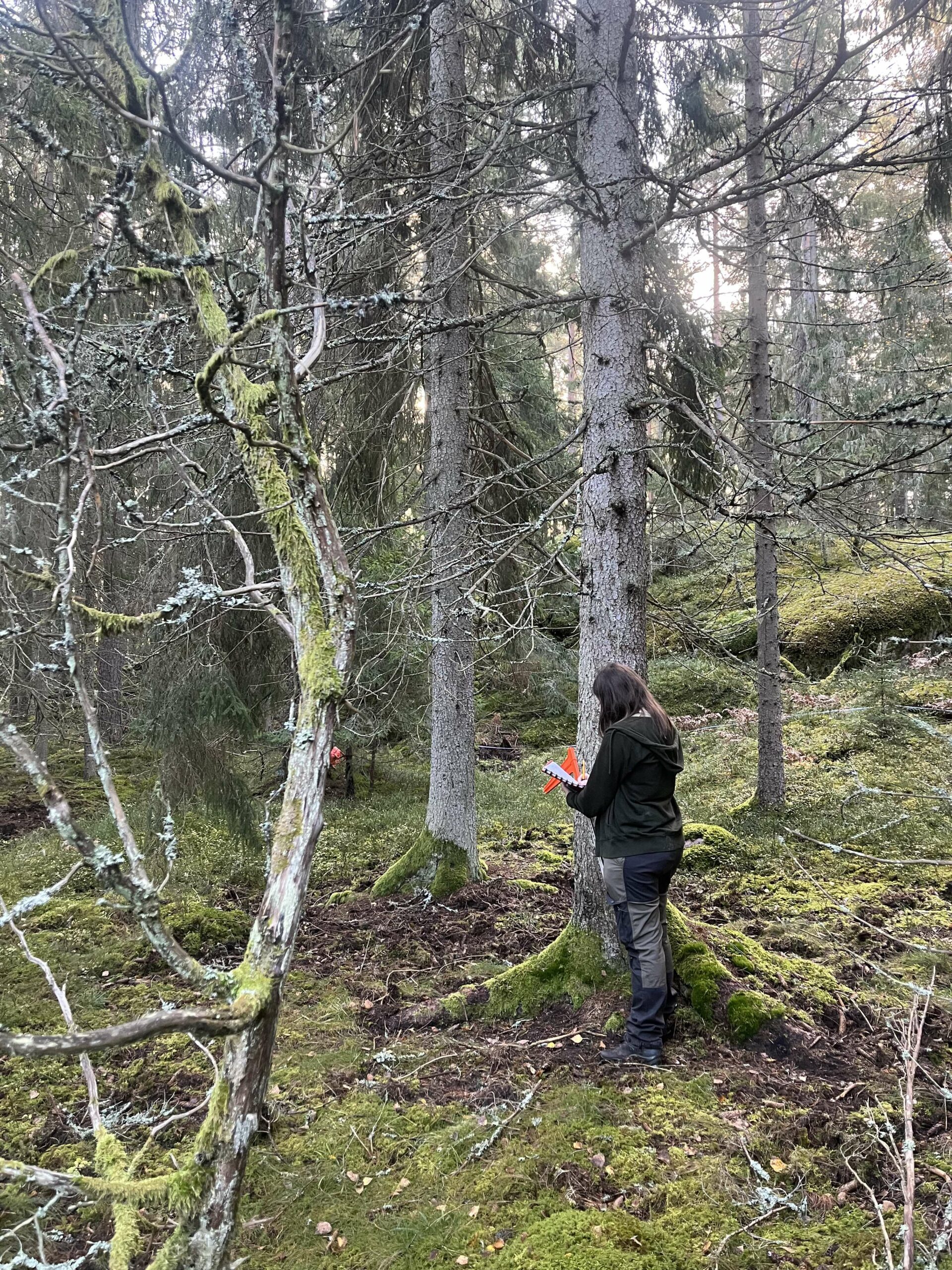
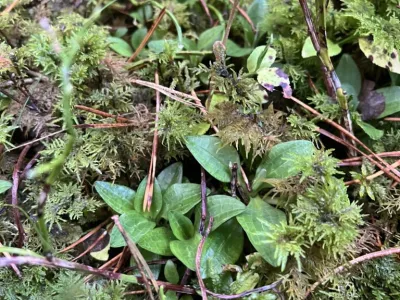
One of our ongoing projects, conducted by Victor Johansson, is on the vulnerable orchid Goodyera repens. The person responsible for the data collection of this project is Charlotte Erbs, who is conducting extensive fieldwork, visiting 80 different areas to assess the nature value of the patches where this special orchid is present and comparing them with control areas. The goal is to understand the habitat requirements of Goodyera repens and validate it as an indicator species for other threatened species.
Why is Goodyera important?
G. repens, known as Knärot in Swedish, is a species that primarily grows in old, moss-rich coniferous forests, indicating a stable and mature ecosystem. It is classified as vulnerable (VU) due to its sensitivity to disturbances such as logging and fire. The presence of G. repens suggests that the habitat is of high conservation value, often hosting a variety of other sensitive species. As an indicator species, its occurrence helps identify forest patches that are crucial for biodiversity, which is important for informing sustainable forestry practices.
How the fieldwork works?
Charlotte visits areas where G. repens has been previously recorded and compares them with control areas. These control areas are of two types: one type consists of areas of similar age as the Goodyera sites, and the other type is completely randomly selected. This setup helps in understanding both the habitat requirements of Goodyera and the influence of forest age and structure.
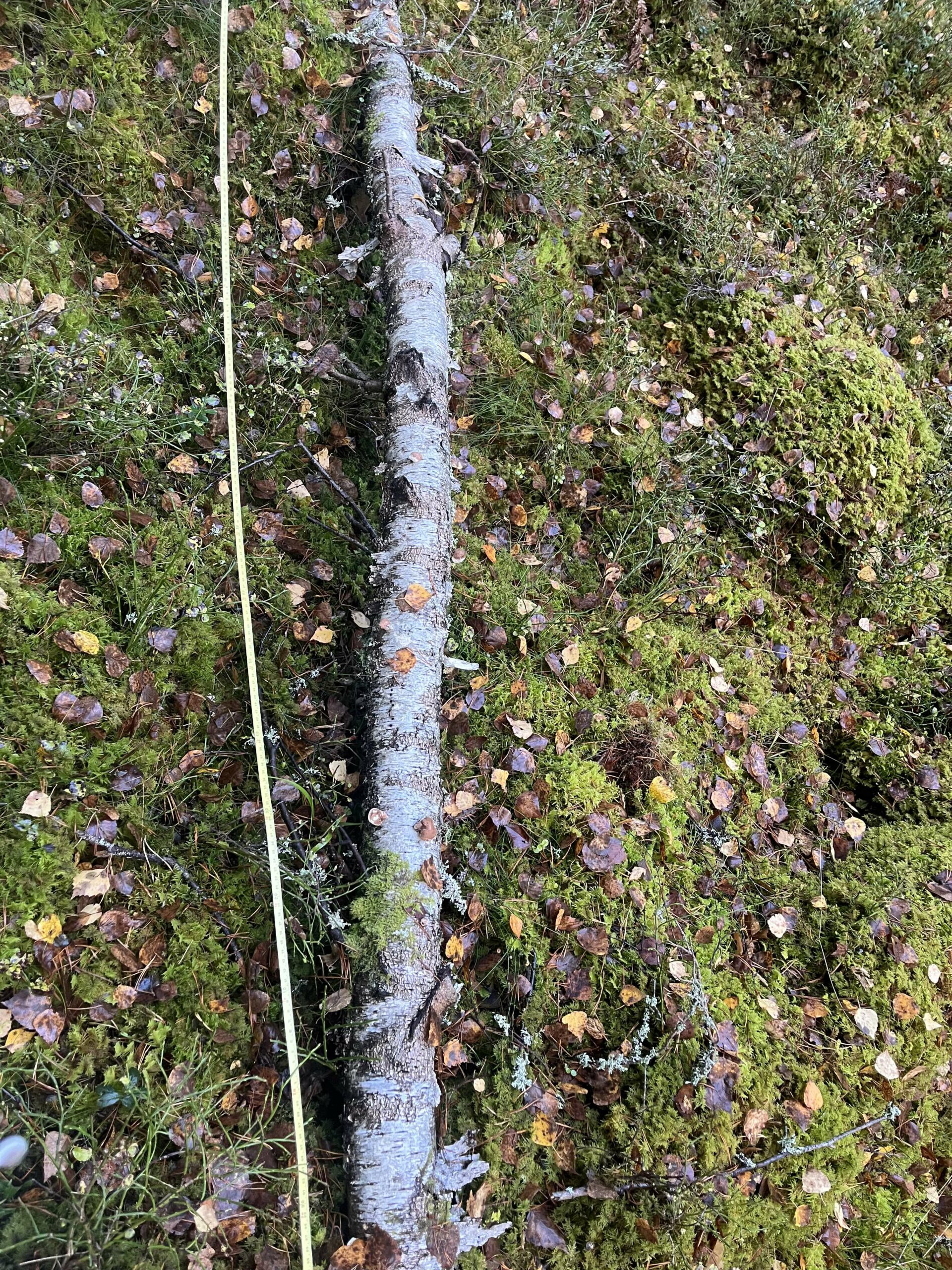
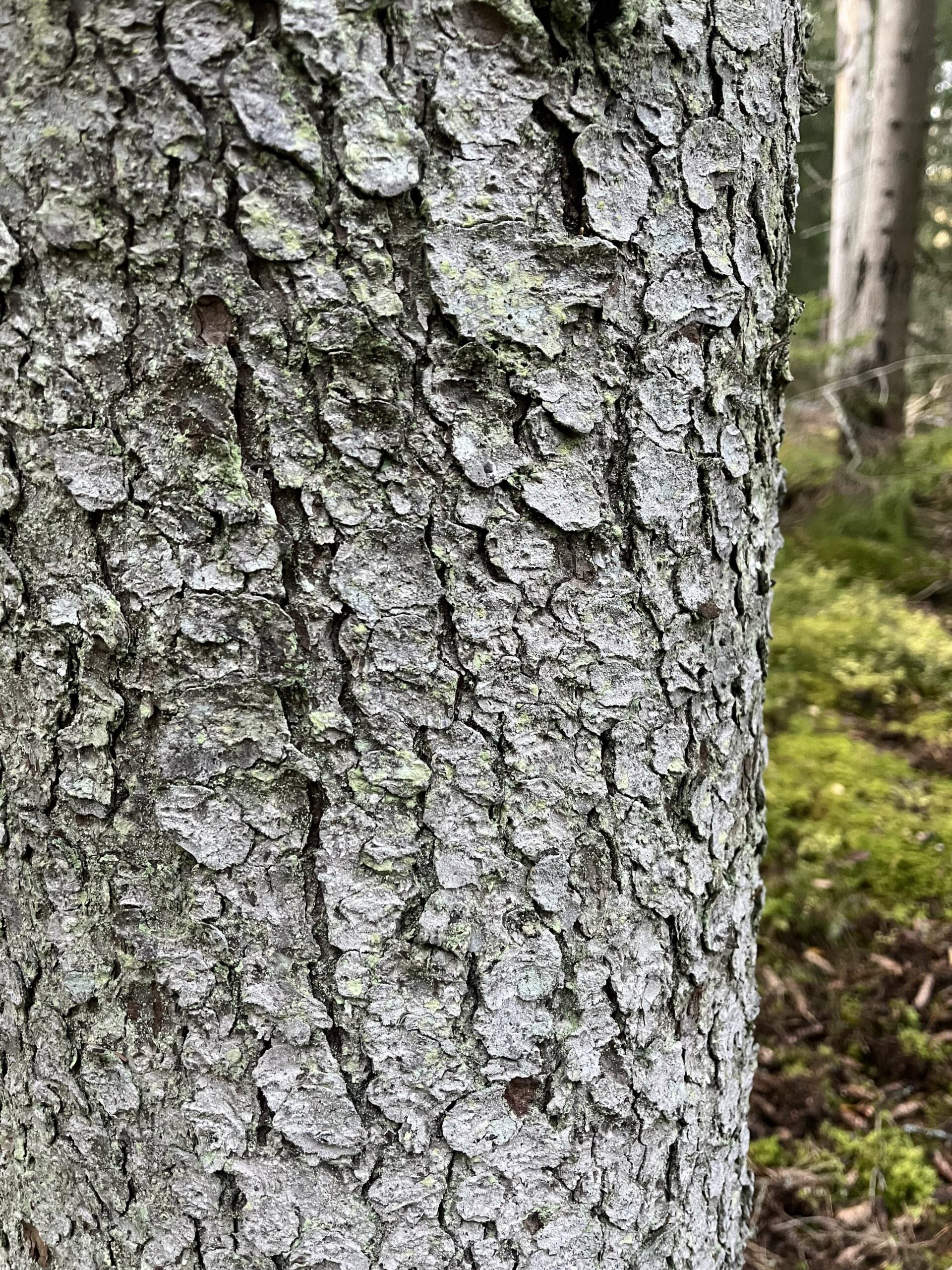
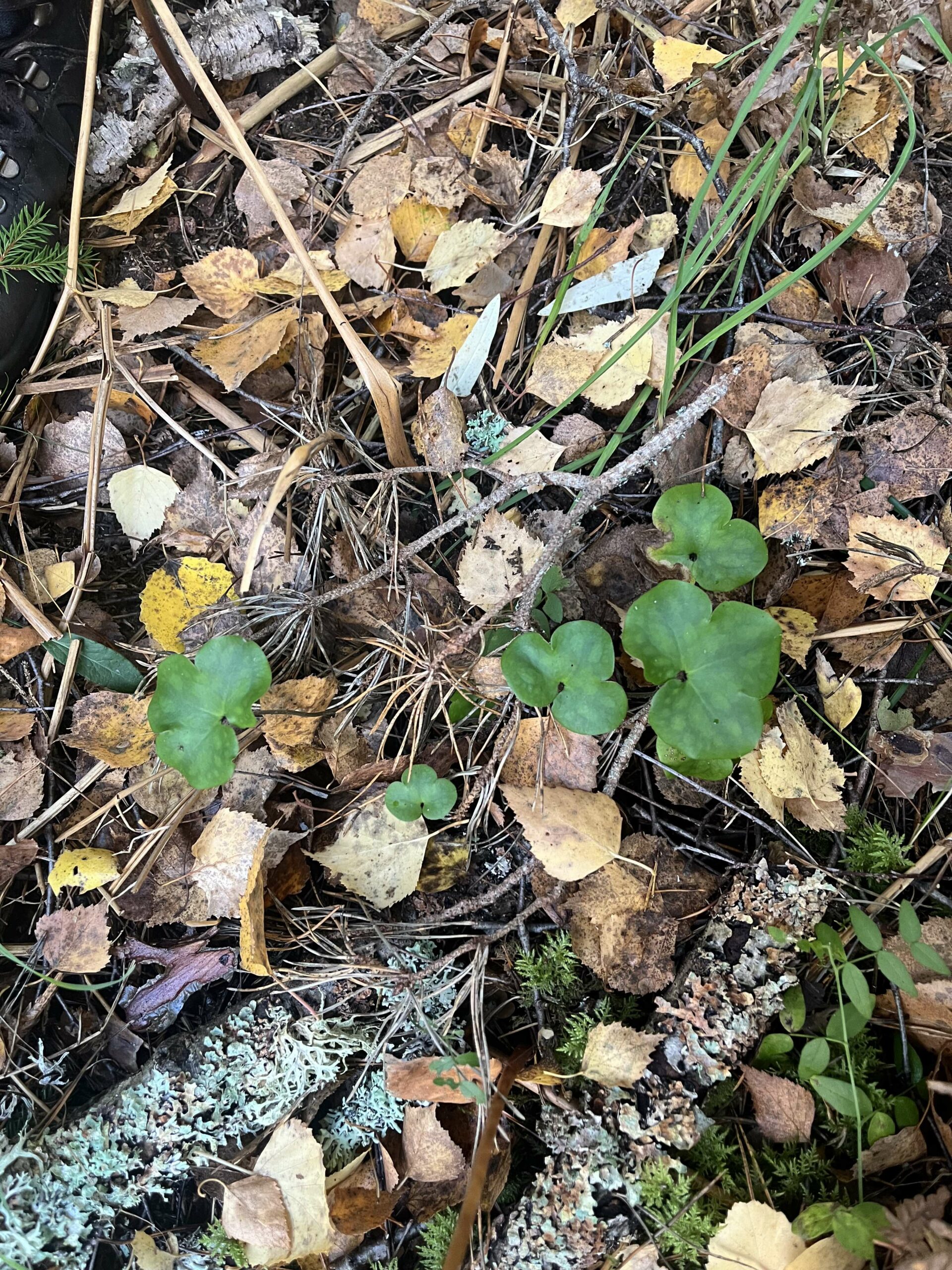
During each visit, Charlotte sets up a 50×50 meter survey plot. In these plots, she measures tree size as a proxy for the age of the forest stand, examines deadwood, and records the occurrence of indicator species. Notably, she also measures the height and size of dead trees to understand the structure of the habitat. Examples of indicator species found recently include the lichen Lecanactis abietina and the plant Anemone hepatica. These measuments aim to provide insights into the conservation value of the area.
After all the measurements are complete, Charlotte check if the area contains certain characteristics that help to assess the habitat's nature value. This helps in determining the overall ecological quality of the forest patches.
Expected outcomes
By the end of the fieldwork, which is set to conclude in November, the data collected will be analyzed to contribute to models predicting the occurrence of G. repens. These models will help in guiding sustainable forestry management practices, ensuring that valuable habitats are preserved. Additionally, the project aims to validate G. repens as a reliable indicator for identifying high-biodiversity areas, thereby supporting conservation efforts at a broader scale.