Reedbeds are among the most important wetland habitats, providing both high biodiversity and vital ecosystem services. However, reedbeds are declining worldwide, and the causes behind this decline are not always fully understood.
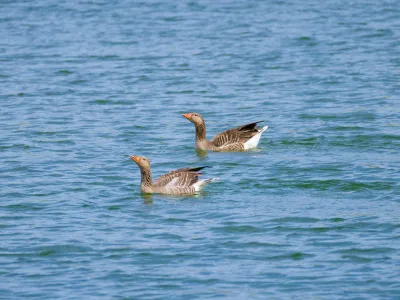
In a recent study conducted at Lake Tåkern, Sweden, researchers investigated how grazing by greylag geese (Anser anser) affects common reed (Phragmites australis). Using grazing exclosures during the 2023 growing season, the study examined both direct effects on reed growth and indirect effects on aquatic invertebrates.
The results showed that goose grazing had a clear negative impact on reed growth. Reed shoots were shorter, total biomass was lower, and horizontal expansion was reduced in grazed areas compared to fenced plots where geese were excluded. These differences appeared early in the season and persisted throughout the summer. In contrast, no significant effects were observed on aquatic invertebrate diversity or abundance.
The findings suggest that increasing goose populations may contribute to reedbed decline in eutrophic lakes such as Lake Tåkern. At the same time, the study indicates that temporary fencing could be an effective management measure to support the protection and recovery of reedbeds.
The research contributes new knowledge on the role of herbivory in wetland ecosystems and highlights practical options for reedbed conservation and restoration.