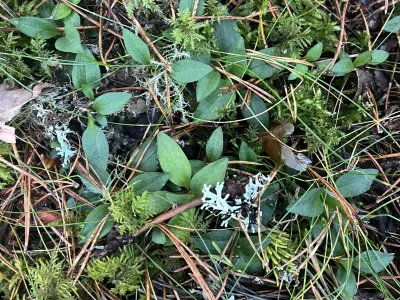
A new study published in the Scandinavian Journal of Forest Research explores whether the vulnerable orchid Goodyera repens can serve as a reliable indicator of forests with high conservation potential.
The research evaluated 80 conifer-dominated stands in Östergötland, Sweden. The study compared stands containing G. repens with similar-aged old stands and randomly selected stands of varying ages.
Findings revealed that forests hosting G. repens contained significantly more species of conservation concern, greater volumes of dead wood, and higher habitat heterogeneity. While G. repens proved useful for identifying valuable forest patches at smaller scales (plot level), habitat heterogeneity and stand age were stronger predictors of overall biodiversity.
The authors conclude that while the orchid remains an important conservation tool—especially given its legal protection in Sweden—forest biodiversity assessments are most effective when species-based indicators are combined with direct habitat measurements.
This work contributes vital evidence to the ongoing debate about conservation strategies in boreal forest landscapes and the role of indicator species in sustainable forest management.