New Swedish research highlights the crucial role that older, never-clearcut forests plays in supporting biodiversity throughout managed forest landscapes.
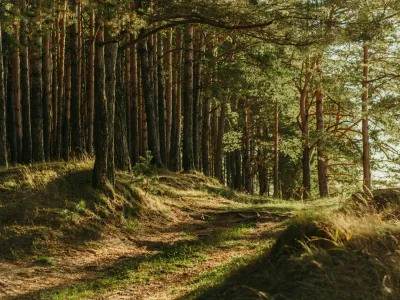
Scientists have found that small continuity forests — patches of forest that have never undergone clear-cutting — act as biological hubs that help maintain species diversity even in younger production forests. These forests are especially common in northern Sweden and have harboured species for generations due to their long-standing tree cover.
By surveying over 900 spruce trees across 16 sites, researchers documented 164 lichen species and found that younger forests show greater species richness when they are surrounded by continuity forests. Because lichens are slow-growing and sensitive to changes in light, moisture, and disturbance, their presence reflects the overall ecological health of the forest landscape.
The study also revealed that older production forests (81–120 years old) that have never been clear-cut, but were instead managed through selective thinning, host many sensitive and threatened species themselves — acting as refugia and helping preserve biodiversity within managed forest areas.
However, researchers warn that intensified harvesting of older forests threatens these natural reservoirs of biodiversity. As forestry demand increases, continuity forests and old managed stands are becoming rarer, reducing the number of natural "sources" from which species can recolonize younger stands. This trend risks making forest landscapes more species-poor and less resilient to disturbances such as climate change and wildfires.
The results underscore that younger forests depend on their older neighbours for biological life, and that preserving both continuity forests and older managed forests is key to safeguarding biodiversity across Sweden's forested landscapes.