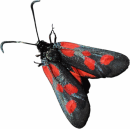
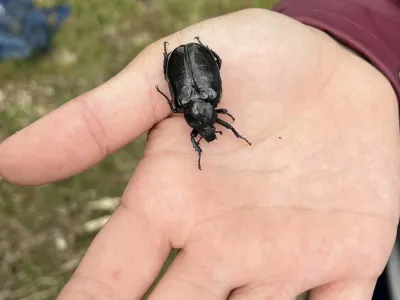
A new study comparing spruce-dominated forests in southern Sweden shows that production forests contain significantly less deadwood and lower diversity of saproxylic beetles — especially red-listed species — than nearby nature reserves. Deadwood is a key forest structure that many species depend on, yet it is much less common in forests managed for timber.
Researchers sampled deadwood and beetles in forest stands representing different stages of the forestry cycle. In total, they identified 478 species and about 71,000 individual beetles. The highest biodiversity was found in both new and old nature reserves, as well as in 65–85-year-old production forests. Young and middle-aged production forests (15–25 and 35–45 years old) had the lowest species numbers, and the chance of finding red-listed or indicator species was significantly lower in all production forests except the oldest ones.
These findings highlight the importance of deadwood and varied forest structure for maintaining biodiversity. The study emphasizes that enhanced conservation actions are needed in production forests to support species that rely on natural forest conditions.