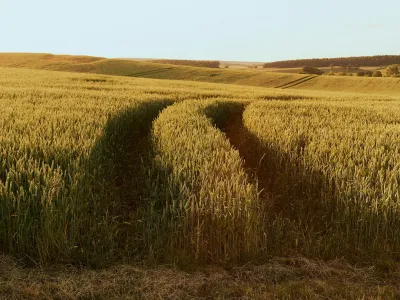
The paper Supporting biodiversity by occasionally abstaining weed control? explores whether skipping herbicide use in arable fields for a single year could benefit biodiversity, particularly pollinating insects.
Based on nearly 2,000 Swedish field experiments conducted in cereal crops between 1969 and 1994, the study compared weed growth in untreated and chemically treated plots. About half of the weed biomass consisted of species that provide nectar and pollen for pollinators. The results show that refraining from weed control in one season leads to a significant increase in total weed biomass — typically about tenfold — with roughly equal increases among pollinator-friendly and non-pollinator species.
The effect was slightly larger in autumn-sown crops than in spring-sown ones, and fields with a naturally low abundance of weeds showed the most manageable biomass increases. Variables such as soil type, crop species, and region had relatively small influence on the results.
The authors suggest that a "single-year no-treatment strategy" could be an inexpensive and practical environmental mitigation measure in fields with low weed levels, helping to provide floral resources for pollinators without causing long-term weed problems. Further studies are needed to evaluate pollinator visitation and potential management effects in subsequent years.