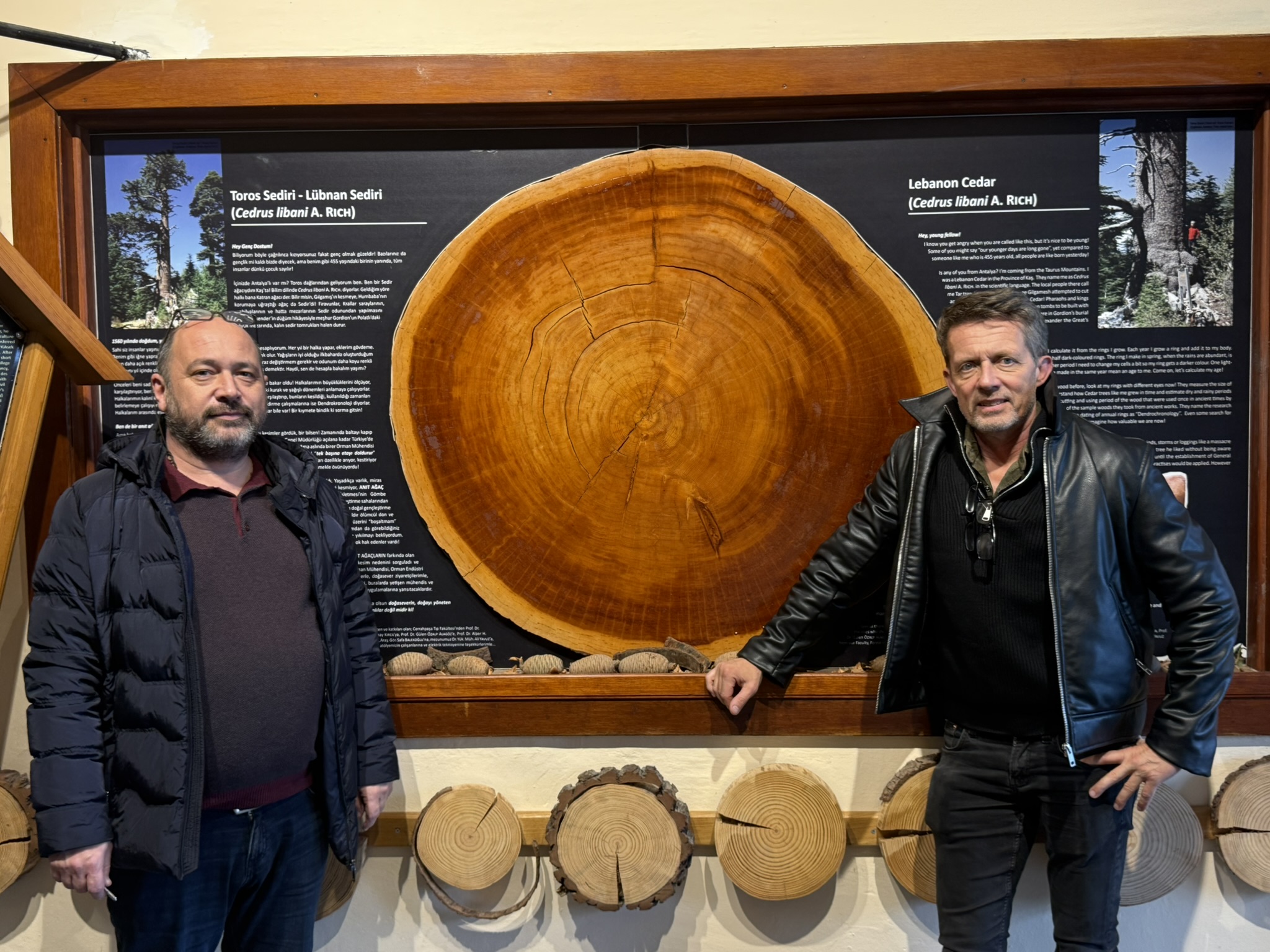

Researchers from Linköping University have recently returned from a research visit to Turkey, where they met with leading experts in forest ecology and entomology. The trip is part of an expanding international effort to understand how oak forests respond to climate change and how emerging pest species may shape future forest management in both Sweden and the eastern Mediterranean region.
Knowledge exchange on forest health and emerging threats
The visit focused on sharing expertise on oak ecosystem resilience, pest ecology, and long-term forest health monitoring. As climate pressures increase — including drought, heat stress, and shifting insect ranges — both Swedish and Turkish oak systems face growing challenges. The exchange allowed researchers to compare early warning indicators, disturbance patterns, and management strategies across different forest types and climate zones.
Collaboration with Marmara Forestry Research Institute
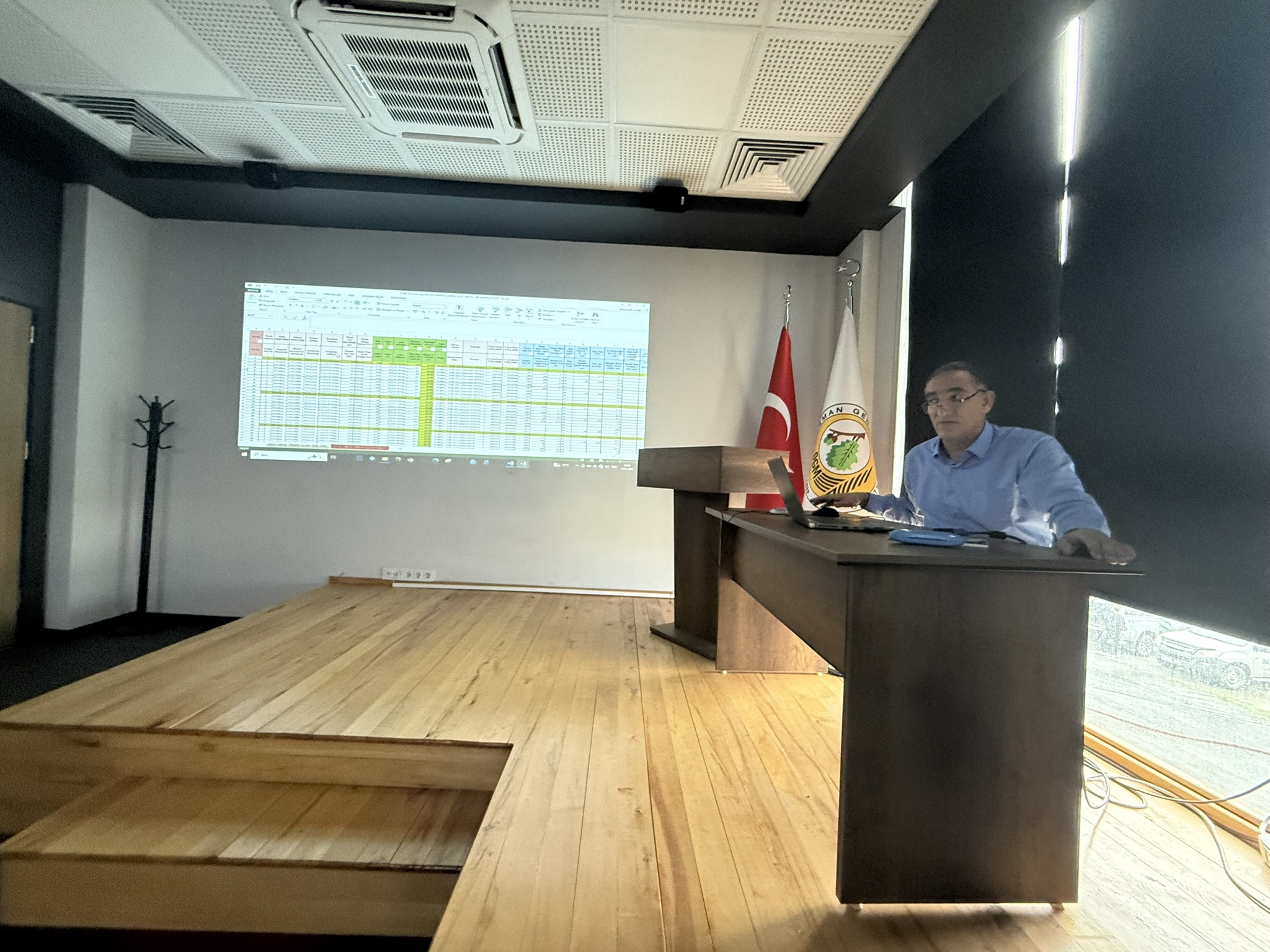
At the Marmara Forestry Research Institute in İstanbul, the team met with Dr Abbas Şahin, Chief of the Department of Forest Management and Planning. Discussions centered on forest inventory methodologies, emerging disturbance agents in Turkish oak forests, and how long-term monitoring infrastructures can be used to detect and track pest outbreaks. These insights are especially valuable as Sweden works to strengthen its own early-warning systems for invasive and climate-driven forest pests.
Expert insights at Istanbul University–Cerrahpaşa
The delegation then visited the Faculty of Forestry at Istanbul University–Cerrahpaşa for in-depth discussions with Dr Erdem Hizal from the Department of Forest Entomology and Protection. Dr Hizal provided detailed information on insect complexes currently affecting oak populations in Türkiye, including species with the potential to expand northward as temperatures rise.
Understanding which species may reach Scandinavia — and how they interact with oaks under warmer conditions — is crucial for anticipating future risks to Swedish forests.
Strengthening future cooperation and research impact
The knowledge gained from this visit will directly support Linköping University's growing research programme on oak health, climate resilience, and adaptive forest management. The collaboration with Turkish partners lays the groundwork for joint research projects, comparative monitoring, and continued expert exchange between the two countries.
As climate change reshapes forest ecosystems across Europe, this type of international cooperation is becoming increasingly important for safeguarding biodiversity, anticipating new pest threats, and developing sustainable management strategies for oak forests.