
Central Research Questions
This project is led by Markus Franzén and focuses on investigating changes in land cover and the diversity of flora and fauna in Padjelanta National Park, located in the Western part of Lule Lappmark, Sweden. The research aims to document historical and recent changes in the ecosystem, driven by climatic shifts and human activities, to understand their impact on biodiversity.
Background and Aims
The park, with an area of 1984 km², predominantly features alpine vegetation, with altitudes ranging from 550 to 1800 meters above sea level. Recent studies indicate that Arctic and alpine ecosystems are experiencing rapid environmental changes. Temperatures in these regions are rising at rates two to three times faster than the global average, resulting in shifts in vegetation zones and declines in mammal populations. However, data on the insect fauna and other smaller organisms in these habitats remain sparse. Understanding these changes is crucial, as they can serve as indicators of broader ecological shifts and help formulate conservation strategies.
Methods
Research in Padjelanta has primarily focused on six major insect taxa: Lepidoptera (butterflies and moths), Coleoptera (beetles), Hymenoptera (bees and wasps), Odonata (dragonflies), Orthoptera (grasshoppers), and Diptera (hoverflies). Historical data, supplemented with surveys conducted between 1998 and 2008, have documented 398 species in the park. The results show a rich diversity, particularly among bumblebees and butterflies, with significant findings including several red listed species and new records for the province.
Key findings
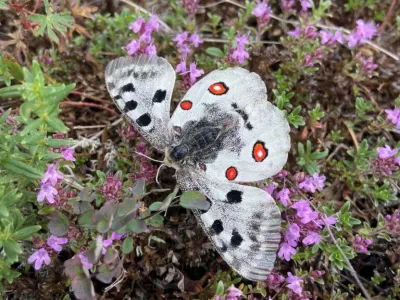
Insect fauna: The study recorded 16 species of bumblebees and 26 species of butterflies, with eight butterflies being red listed. Notable discoveries include the first records of the weevil Dorytomus tortrix and the chrysidid wasp Chrysis angustula in Lule Lappmark.
Environmental changes: despite some species colonizing the area over the last 65 years, the overall rate of colonization has been low. This suggests a relatively stable insect fauna, albeit with potential future changes due to ongoing climatic shifts.
Habitat and flora: Padjelanta's diverse habitats, ranging from rich alpine meadows to higher altitude cliffs, support a variety of species. Significant areas include the Unna Tuki region, known for its rich flora and unique microclimate.
Conservation implications
The findings underscore the need for ongoing monitoring and conservation efforts in alpine regions. As environmental changes are expected to accelerate, careful documentation and analysis of these ecosystems are essential for protecting biodiversity. The project highlights the importance of national parks like Padjelanta as reference areas for studying the impacts of climate change and developing strategies to mitigate its effects.