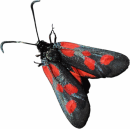
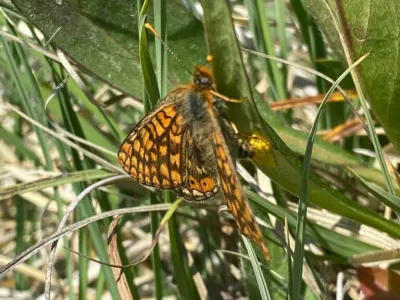
This project, conducted by Per, aims to explore the seasonal interactions between pollinators, such as bees and hoverflies, and the flowering times of agricultural weeds that provide essential nectar and pollen. By studying the flight activities of these pollinators and the blooming schedules of common weeds, the project seeks to determine how well these temporal patterns align throughout the growing season. Identifying periods when pollinators and floral resources are out of sync can highlight potential resource shortages. The findings will inform agricultural and conservation practices to ensure continuous floral availability, supporting pollinator health and biodiversity. This research will enhance our understanding of plant-pollinator dynamics, crucial for maintaining ecological balance in agricultural settings and promoting sustainable farming practices.
Pollinator flight patterns: Investigating the seasonal flight activities of various pollinators, including bees and hoverflies, to understand their temporal needs for floral resources.
Flowering times of weeds: Analyzing the flowering schedules of common agricultural weeds that provide nectar and pollen, crucial for supporting pollinator populations.
Temporal synchronization: Assessing the alignment between pollinator flight periods and weed flowering times to determine how well these two groups support each other throughout the growing season.
Goals
- To identify critical periods when pollinators and floral resources are out of sync, potentially leading to resource shortages.
- To inform agricultural and conservation practices that enhance pollinator habitats by ensuring continuous floral availability.
- To contribute to the broader understanding of plant-pollinator dynamics and their role in maintaining ecological balance in agricultural settings.
Conservation and management implications
Habitat management: Recommendations for maintaining diverse weed species in agricultural fields to provide consistent nectar and pollen sources.
Land use practices: Insights into how crop sowing and harvesting schedules impact floral resource availability for pollinators.
Biodiversity support: Strategies for creating agricultural practices that support a wide range of pollinator species throughout their active seasons.