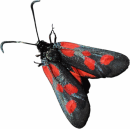
This project conducted by Karl-Olof focuses on studying the trends and distribution of the Lopinga achine butterfly, commonly known as the Woodland Brown or Dårgräsfjäril, which is classified as Near Threatened (NT). The research aims to understand the habitat preferences, population dynamics, and conservation needs of this species in Sweden.
Objectives
Habitat analysis: Investigate the specific habitat requirements of Lopinga achine, particularly its reliance on calcareous environments and host plants.
Population monitoring: Track population trends and distribution changes over time.
Conservation strategies: Develop and recommend conservation measures to protect and sustain butterfly populations.
Key features studied
Habitat preferences: Focus on calcareous environments with host plants such as Carex montana.
Population dynamics: Assess the size, distribution, and movement patterns of populations.
Threats and conservation: Identify threats like habitat loss and recommend conservation actions.
Methodology
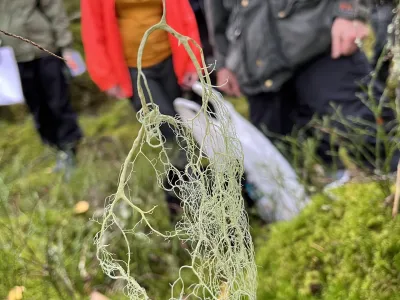
Field surveys: Conduct extensive field surveys to collect data on butterfly populations and habitat conditions.
Population tracking: Use mark-recapture techniques to study movement and population structure.
Data analysis: Analyze data to determine trends in population size and distribution, and identify key habitat features.
Preliminary findings
Stable yet limited distribution: The butterfly is strongly associated with calcareous habitats in Sweden, with stable populations in certain areas.
Threats identified: Main threats include habitat loss due to forestry practices and overgrowth of habitats.
Conservation needs: Effective management practices such as controlled grazing and habitat restoration are critical for sustaining populations.
Conservation implications
Habitat management: Recommendations include maintaining and restoring suitable habitats through controlled grazing and preventing overgrowth.
Monitoring and protection: Continuous monitoring and protective measures are essential to prevent further decline.
Public engagement: Engaging local communities and landowners in conservation efforts to ensure long-term sustainability.
Significance
This research highlights the importance of specific habitat conditions for the survival of Lopinga achine and provides valuable insights for developing targeted conservation strategies to protect this near-threatened butterfly species.